
The Microsoft ecosystem is entering one of its most exciting periods of growth and with continued investment in AI, Copilot, Fabric, cloud transformation, cyber security, and data modernisation, and partners have more opportunities than ever to help organisations solve complex business challenges and accelerate innovation.
However, as the market evolves, so do buyer expectations and decision-makers are conducting more independent research than ever before. They are engaging with vendors later in the buying journey and looking for trusted partners that can provide genuine insight rather than product-led sales messaging. As a result, Microsoft Demand Generation is becoming less about generating large volumes of leads and more about creating meaningful engagement with the right audiences.
In 2026, successful Microsoft partners are focusing on building relationships and positioning themselves as trusted advisors. Through a combination of thought leadership, events, webinars, account-based marketing, and community engagement, partners are creating stronger connections with prospects and generating more qualified pipeline opportunities.
So, what does an effective Microsoft Demand Generation strategy look like in 2026?
The Opportunity for Microsoft Partners Has Never Been Greater
As investment in AI continues to grow, organisations are actively looking for guidance on where to start and how to turn emerging technologies into measurable business value. Buyers are asking practical questions about implementation and the impact these technologies can have on their organisation.
This creates an opportunity for Microsoft partners to position themselves as trusted advisors, helping customers navigate change and understand what success looks like beyond the technology itself.
Instead of leading with technology features, successful partners are helping customers answer questions such as:
- How can AI improve employee productivity?
- What processes can be automated?
- How can we make better use of our data?
- How do we prepare our organisation for AI adoption?
- How can we improve security while driving innovation?
These conversations are often the starting point for larger transformation projects and the most effective Microsoft Demand Generation campaigns recognise this shift, focusing on educating prospects long before a purchasing decision is made. By creating content, events, and experiences that address real business challenges, partners can establish trust and remain visible throughout the buying journey.
Why Events and Webinars Continue to Deliver Results
Despite the growth of digital marketing channels, events remain one of the most powerful tools in Microsoft Demand Generation.
Enterprise buying decisions often involve multiple stakeholders and lengthy evaluation processes and events can provide a unique opportunity to bring these audiences together and create meaningful conversations.
Many leading Microsoft partners are seeing success through:
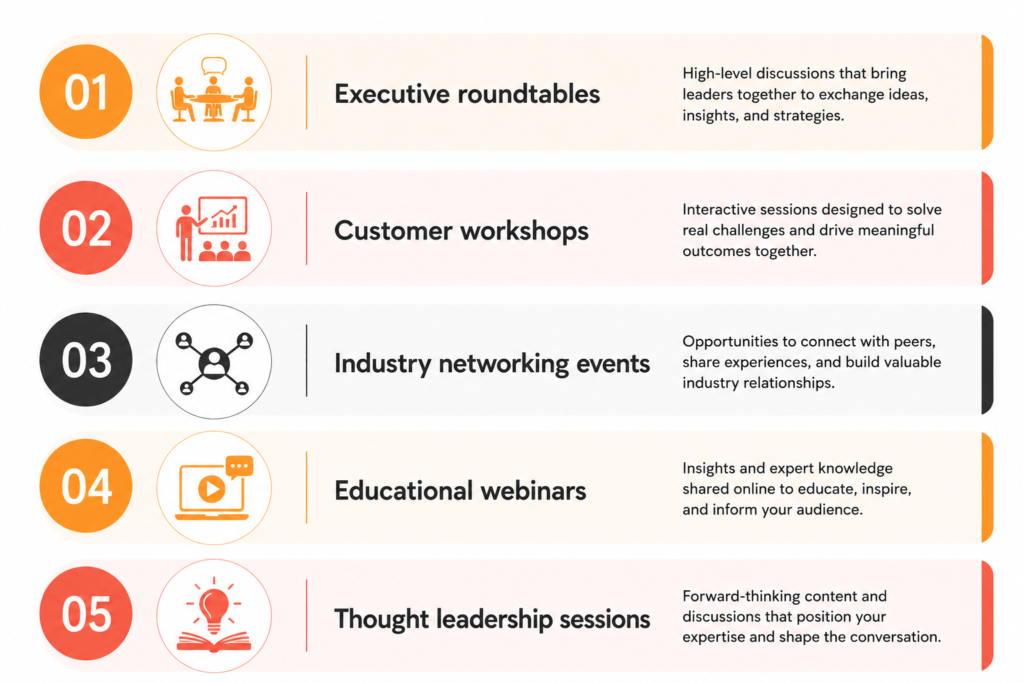
The key difference is that today’s highest-performing events are no longer centred around product demonstrations. Instead, they focus on solving business challenges and helping attendees understand emerging trends. Topics such as AI readiness, data governance, cyber security, and digital transformation often attract stronger engagement because they address the priorities already sitting on boardroom agendas.
We’ve seen how combining targeted audience recruitment with relevant event content can help Microsoft partners engage senior decision-makers, improve attendance quality, and create valuable pipeline opportunities long after the event has ended.
Building Trust Through Thought Leadership
For Microsoft partners, thought leadership plays an important role in building trust before a sales conversation begins, and buyers are looking for guidance they can trust. They want partners who understand the pressures they are facing and can help them make sense of emerging technologies in a practical way.
This is especially important across areas such as AI, cloud transformation, security, and data modernisation, where organisations may know they need to take action but are still unsure where to begin. So, strong thought leadership helps partners educate their audience while demonstrating expertise.
This might include:
- Blog content that answers common customer questions
- LinkedIn posts sharing practical insights
- Webinars focused on business outcomes
- Customer stories that show real-world results
- Guides that help buyers understand their next steps
The goal is to create content that helps Microsoft partners stay visible and supports the buyer journey over time.
A strong Microsoft demand generation strategy should use thought leadership to create consistent touchpoints that keep prospects engaged long before they are ready to speak with sales.
How AI Is Changing Demand Generation
Marketing teams can now use AI to improve targeting, personalise outreach, analyse engagement, and support faster campaign execution, and doing this creates new opportunities to make demand generation more efficient and more relevant.
For Microsoft partners, AI can support:
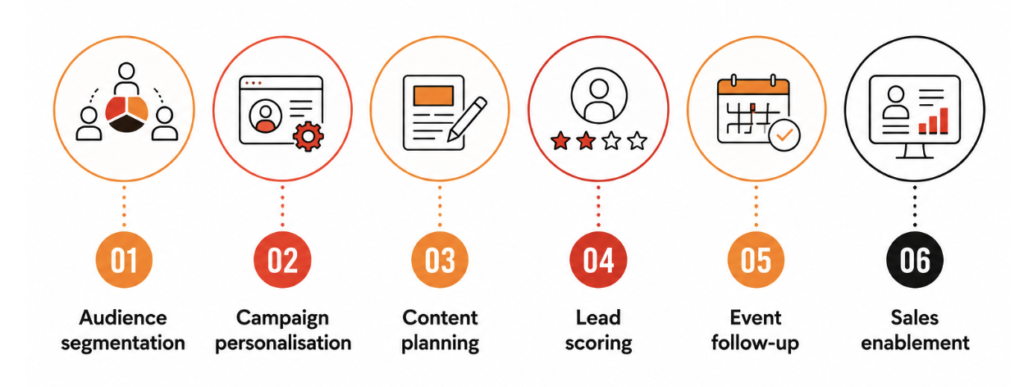
However, the strongest results come when AI is used to support human creativity rather than replace it. Buyers are still much more likely to respond to messages that feel relevant, thoughtful, and genuinely useful. AI can help partners understand patterns and improve delivery, but the strategy still needs a human understanding of the audience, the market, and the challenges customers are trying to solve.
In 2026, effective Microsoft Demand Generation will rely on this balance. Partners that combine intelligent tools with strong messaging, clear positioning, and valuable content will be better placed to engage the right audiences.
Turning Interest Into Pipeline
Generating interest is only one part of the process and the real value comes from turning it into qualified pipeline.
A webinar registration or event attendee is not automatically a sales opportunity. Prospects need to be nurtured, qualified, and followed up with in a way that reflects their level of interest and business need.
For Microsoft partners, this means having a clear process before a campaign launches. Key questions include:
- Who is the ideal audience?
- What business challenge is the campaign addressing?
- How will engagement be qualified?
- What happens after the event or webinar?
- How will sales teams follow up?
- What content supports the next stage of the journey?
The most successful campaigns are built with the full journey in mind and continue through nurture, qualification, sales handover, and long-term relationship building.
This is where specialist demand generation support can make a real difference. At CEC, we support technology partners with audience recruitment, webinar promotion, event marketing, content-led campaigns, and lead nurturing strategies designed to create more meaningful engagement and stronger pipeline outcomes.
What Microsoft Partners Should Focus on in 2026
The Microsoft ecosystem offers huge opportunities for partners and to strengthen demand generation in 2026, partners should focus on:
- Creating campaigns around business outcomes
- Using events and webinars to build deeper relationships
- Investing in thought leadership that educates the market
- Aligning messaging with AI, cloud, data, and security priorities
- Building community-led engagement opportunities
- Using ABM to target high-value accounts more effectively
- Creating a strong follow-up strategy after every campaign
Final Thoughts
As AI, cloud, data, and security continue to create new opportunities for organisations, Microsoft partners are well positioned to lead these conversations. The most successful partners will be those that build trust through consistent engagement and create experiences that support customers throughout their transformation journey.
We help Microsoft partners build and execute demand generation programmes that drive awareness and create meaningful sales opportunities.
Get in touch to see how we can support your next campaign.
Why is demand generation important for Microsoft partners?
Demand generation helps Microsoft partners build visibility, engage decision-makers, and create opportunities earlier in the buyer journey. As buyers increasingly conduct independent research, partners need to stay visible and provide value long before a purchasing decision is made.
What are the most effective Microsoft Demand Generation strategies in 2026?
Some of the most effective strategies include thought leadership, educational webinars, executive events, account-based marketing (ABM), community engagement, and targeted content campaigns. These approaches help partners connect with the right audiences and build stronger relationships over time.
How can Microsoft partners generate more qualified pipeline?
Generating qualified pipeline starts with understanding your audience and creating campaigns that address their business challenges. Combining content, events, webinars, and targeted outreach can help partners engage decision-makers and nurture prospects through the buying journey.
How can CEC support Microsoft Demand Generation?
CEC helps technology partners build and execute demand generation programmes through webinars, events, audience recruitment, account-based marketing, content campaigns, and strategic engagement initiatives. Our goal is to help partners connect with the right audiences and generate measurable pipeline growth.
How does AI impact Microsoft Demand Generation?
AI is helping partners improve audience targeting, campaign personalisation, lead scoring, and marketing efficiency. However, the most successful demand generation programmes combine AI-powered insights with human expertise, creativity, and relationship-building.